Most people imagine factory life as repetitive.
Machines running.
Samples everywhere.
People discussing prices, molds, delivery dates, and production schedules.
And honestly… most days, that’s true.
But today was different.
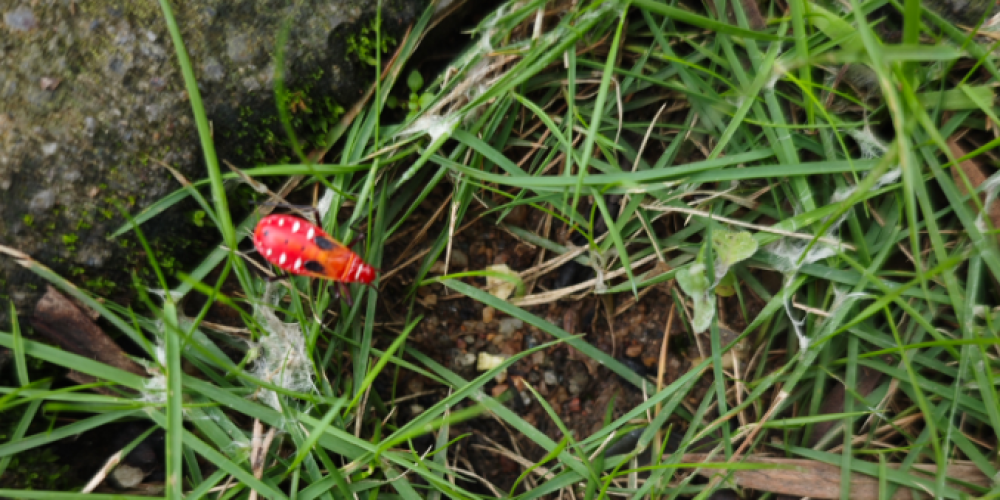
When we walked into the factory this morning, the ground outside the workshop looked like it had been sprinkled with moving red dots. Hundreds of tiny bright-red insects crawled across the concrete floor like a miniature parade.
At first glance, they almost looked fake.
Tiny black legs.
Bright red bodies.
Groups clustering together like they were having meetings of their own.
Some workers stopped to stare.
Some carefully stepped around them.
One colleague immediately declared: “This definitely means rain is coming.”
Another person confidently said: “No no, these bugs appear when the weather gets hot.”
Meanwhile, our production manager walked past them without even looking up — a true factory veteran.
And of course, I crouched down to observe them like I was filming a nature documentary.
The funniest part?
A few of the bugs were gathered around a dead one, appearing to “drink” from it.
For a moment, the entire factory discussion shifted from silicone kitchenware and quotations to:
“Wait… are they cannibals?!”
That single question triggered ten minutes of intense biological speculation beside the loading area.
Eventually, after some research, we learned they are most likely young true bugs (nymph-stage insects), common during warm seasons. They usually feed on plant juices, not each other. But when one gets crushed or injured, others may gather around the leaked fluids.
Still looked dramatic though.
Factory life has this strange charm.
One moment you’re calculating mold costs and freight rates.
The next moment you’re standing outside with engineers and warehouse workers discussing insect behavior like a university research team.
People often think manufacturing is cold and mechanical.
But behind every production line is a very human environment:
workers sharing fruit during break time,
salespeople chasing samples,
engineers solving impossible customer requests,
random insects interrupting everyone’s workflow for fifteen minutes.
And somehow, those little unexpected moments become the memories that stick.
Tomorrow, the machines will continue running.
Customers will continue asking for lower prices.
Production schedules will continue being urgent.
But today?
Today belonged to the tiny red bugs outside the workshop.