Over the past few years, home baking has quietly changed.
What used to be a weekend hobby has become a regular routine for many households. People bake bread on weekdays, prepare cakes for family gatherings, and experiment with new recipes at home more often than ever before.
This shift may look simple, but it has a direct impact on baking tools — especially on the materials used to make them.
Today, many baking tools are entering what we call a “material upgrade cycle.”
Understanding this cycle helps buyers, sellers, and product developers see why certain products — such as fiberglass baking trays — are gaining attention in the market.
1. From Occasional Baking to Frequent Use
In the early days of home baking, durability was the main concern.
Metal pans were widely used because they were strong, heat-resistant, and could last for years.
Later, silicone baking tools became popular. They were flexible, non-stick, easy to clean, and looked modern. For people who baked occasionally, silicone was more than enough.
But today, the situation is different.
Many consumers now bake frequently, not just once or twice a month. When baking becomes frequent, tools are no longer tested by looks or convenience alone — they are tested by long-term performance.
This is where material limitations begin to show.
2. When “Non-Stick” Is No Longer the Only Requirement
For a long time, “non-stick” was the key selling point of baking tools.
As long as cakes came out easily, most users were satisfied.
However, frequent use brings new questions:
- Does the tray keep its shape after repeated baking?
- Does it stay flat at high temperatures?
- Does it feel stable when handling heavy batter?
- Does performance change after months of use?
Many consumers start to notice that some baking trays, especially those made of pure silicone, may:
- Lose shape over time
- Become softer at high temperatures
- Warp slightly after repeated heating
These are not quality defects in the traditional sense — they are material characteristics becoming visible under higher usage frequency.
3. The Hidden Cost of Deformation
Deformation may sound like a small issue, but in baking, it matters more than expected.
A tray that bends or loses structure can:
- Affect even heat distribution
- Change baking results
- Make handling less stable
- Reduce user confidence
For casual users, this might be acceptable.
For frequent bakers — especially those who bake breads, layered cakes, or larger batches — it becomes frustrating.
This is one of the reasons consumers start looking for “stronger,” “more stable,” or “professional-feeling” baking tools, even if they cost slightly more.
4. Why Material Upgrade Becomes Inevitable
When consumer behavior changes, product materials must follow.
We have seen this pattern many times:
- Plastic → reinforced plastic
- Thin metal → thickened or coated metal
- Pure silicone → composite structures
The logic is simple:
When a single material can no longer balance flexibility, stability, and durability, reinforcement becomes necessary.
This is exactly how fiberglass baking trays enter the conversation.
Fiberglass is not used to replace silicone, but to support it.
5. What Fiberglass Solves in Baking Trays
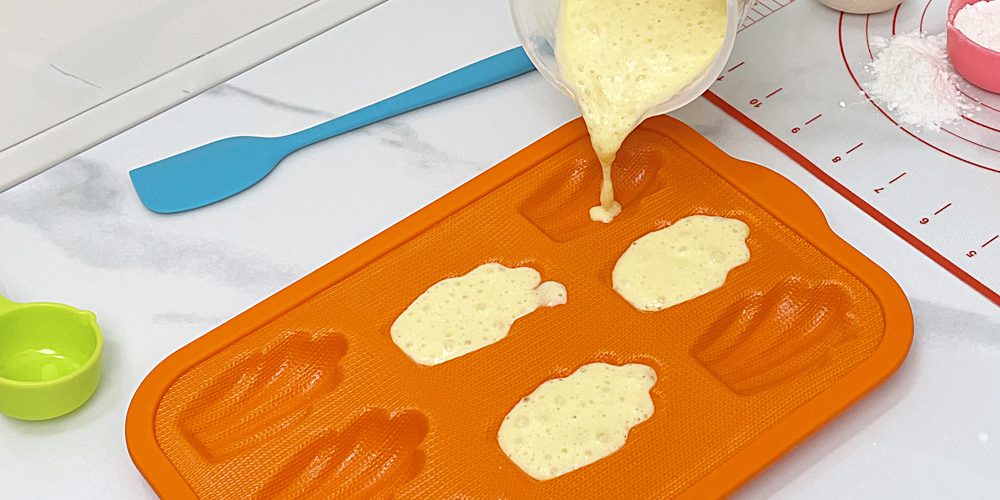
In fiberglass baking trays, a fiberglass mesh or core is embedded inside the silicone structure.
This design helps to:
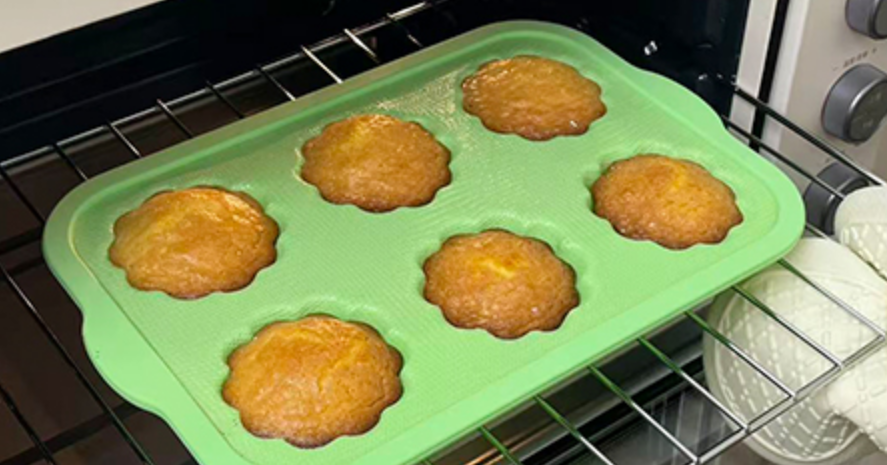
- Maintain shape during high-temperature baking
- Reduce bending and warping
- Improve overall structural stability
- Extend the usable life of the product
Silicone still provides:
- Non-stick surface
- Easy cleaning
- Heat resistance
Fiberglass simply adds what pure silicone lacks: internal strength.
This combination is especially valued by users who bake often and expect consistent results.
6. A Natural Step, Not a Trend Gimmick
It is important to clarify one point:
Fiberglass baking trays are not a replacement for all silicone products.
They are a natural next step for:
- Frequent home bakers
- Semi-professional users
- Brands targeting mid-to-high market positioning
- Sellers focusing on long-term user experience rather than impulse buying
For entry-level or occasional-use markets, pure silicone still makes sense.
Material upgrade only happens when use frequency and expectations increase.
7. What This Means for Buyers and Sellers
For buyers and brand owners, the material upgrade cycle means:
- Product selection should match real usage scenarios
- Material explanation becomes part of product education
- Higher material cost must be translated into clear user benefits
For sellers, especially on platforms like Amazon:
- Fiberglass baking trays fit better into premium or value-added listings
- They require clearer communication, not just price competition
- Long-term performance can be a strong differentiator
8. Looking Ahead
Home baking will continue to evolve, and baking tools will evolve with it.
As users bake more often, expect better results, and compare products more carefully, materials will no longer be invisible. They will become part of the decision-making process.
Fiberglass baking trays are not a marketing trick — they are a response to real changes in how people bake.
In the next articles of this series, we will look deeper into:
- Why pure silicone deforms over time
- How fiberglass works inside baking trays
- Who should choose fiberglass baking trays — and who should not
Because in baking tools, material is not just a detail. It defines the experience.