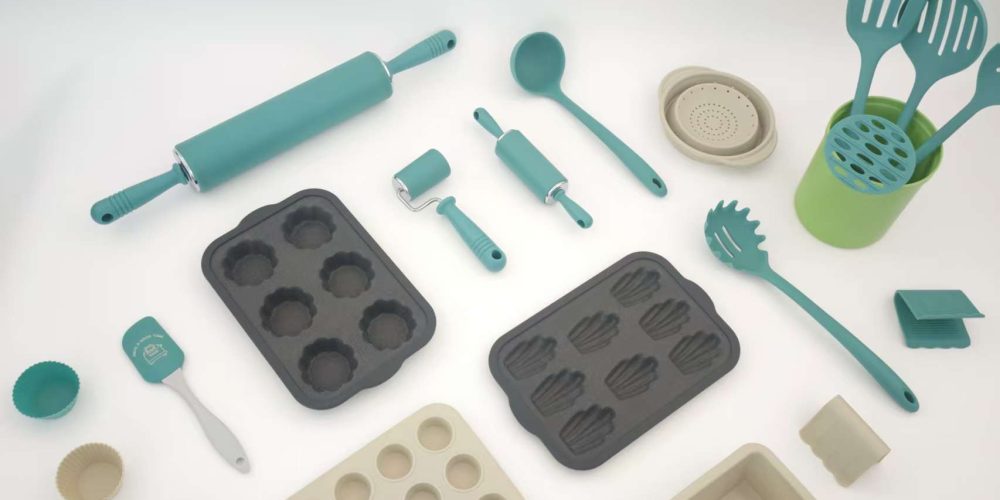
As fiberglass baking trays become more visible in the market, many buyers ask a simple question:
Are fiberglass baking trays better than silicone ones?
The more accurate question should be:
Who are fiberglass baking trays actually made for?
Because in baking tools, the right product is not the most advanced one — it is the one that matches real usage.
1. Not Every Baker Needs Fiberglass
Fiberglass reinforcement is a structural upgrade.
Like all upgrades, it solves specific problems — but it is not necessary for everyone.
Pure silicone baking trays are still widely used and still make sense for many consumers. Fiberglass baking trays exist because baking habits have diversified, not because silicone has failed.
Understanding who benefits — and who does not — helps avoid mismatched expectations.
2. Fiberglass Baking Trays Are Made For Frequent Bakers
The clearest target group is frequent home bakers.
These users:
- Bake weekly or multiple times per week
- Use larger trays and heavier batter
- Bake breads, layered cakes, or large batches
- Care about consistency and stability
For them, small issues like bending, sagging, or uneven baking results become noticeable over time.
Fiberglass reinforcement helps maintain shape and stability under repeated use, which directly improves their baking experience.
3. Ideal for Mid-to-High Market Product Positioning
From a product positioning perspective, fiberglass baking trays are best suited for mid-to-high price segments.
They support:
- Higher perceived value
- More “professional” handling feel
- Longer product lifespan
- Stronger justification for premium pricing
For brands selling on platforms like Amazon, fiberglass trays fit better into listings that focus on:
- Long-term performance
- Serious home bakers
- Quality-driven customers rather than price-only buyers
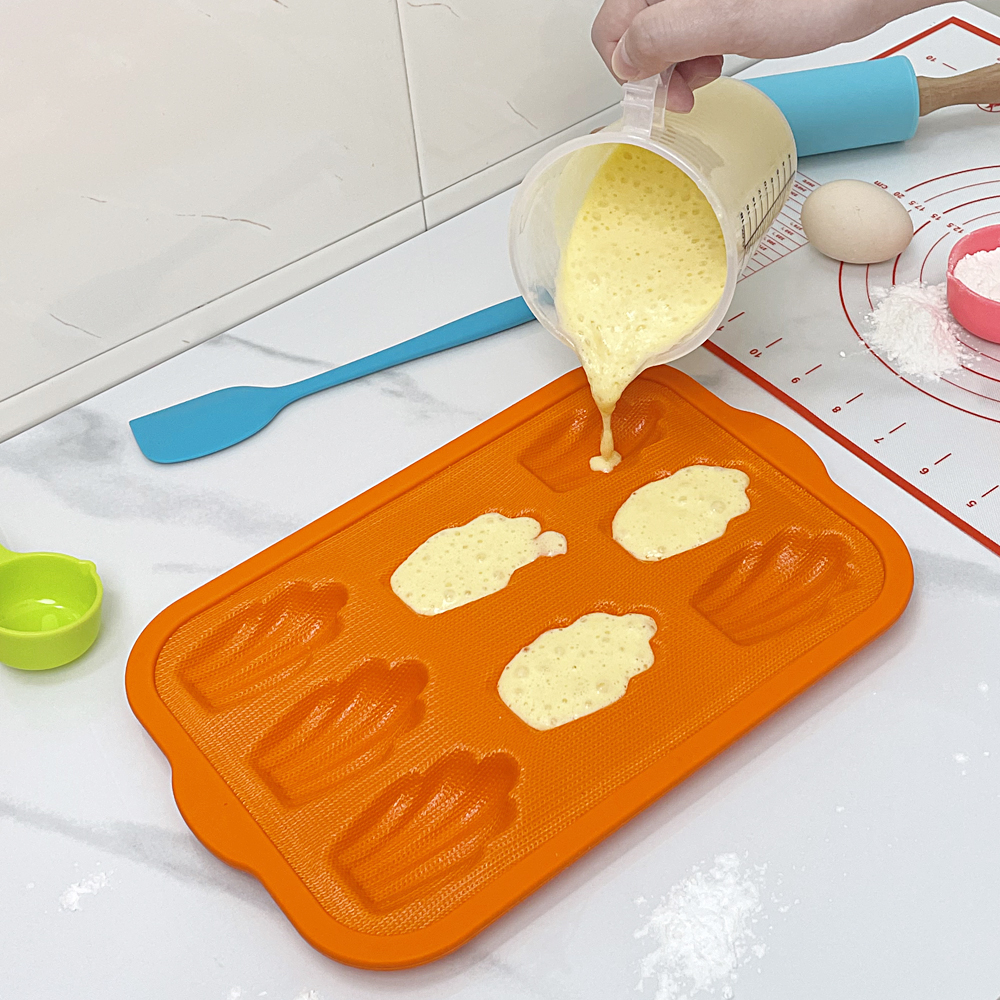
4. Suitable for Brands That Educate Their Customers
Fiberglass baking trays are not impulse-buy products.
They perform best when:
- The brand explains material structure clearly
- The customer understands why reinforcement matters
- Expectations are set correctly
Brands that invest in product education — through descriptions, images, or A+ content — benefit more from fiberglass trays than brands relying only on low prices or simple claims.
5. Fiberglass Baking Trays Are Not for Entry-Level Price Competition
Fiberglass reinforcement increases:
- Material cost
- Manufacturing complexity
- Quality control requirements
As a result, fiberglass baking trays are not ideal for entry-level markets where price is the primary decision factor.
For customers who:
- Bake occasionally
- Use trays only a few times per year
- Focus on the lowest possible price
Pure silicone trays remain a more practical choice.
6. Not Ideal for One-Time or Disposable Use Scenarios
Some baking tools are purchased for:
- Seasonal use
- One-time events
- Gift bundles with low usage expectations
In these cases, long-term structural stability is not a priority.
Fiberglass reinforcement would add cost without delivering noticeable benefits.
7. A Tool for Reducing Negative Reviews
For sellers, one important but often overlooked advantage of fiberglass trays is review stability.
Many negative reviews of silicone trays are related to:
- Loss of shape
- Tray feeling “too soft”
- Instability during baking
Fiberglass reinforcement reduces these issues, especially among frequent users. This makes fiberglass trays attractive for brands focused on long-term customer satisfaction rather than short-term sales volume.
8. What Buyers Should Ask Before Choosing Fiberglass
Before selecting fiberglass baking trays, buyers should consider:
- How often will the end user bake?
- What types of recipes are common?
- Is the product positioned as basic or premium?
- Is there room to explain material value?
If the answers point toward frequent use and quality expectations, fiberglass is a logical choice.
9. Choosing Fit Over Features
Fiberglass baking trays are not “better” by default.
They are more suitable under specific conditions.
Pure silicone offers:
- Simplicity
- Lower cost
- Convenience for light use
Fiberglass-reinforced trays offer:
- Structural stability
- Consistent performance
- Better long-term experience
The difference is not about technology — it is about fit.
Final Thought
Fiberglass baking trays are designed for users who bake often, expect consistency, and are willing to pay for stability over time.
They are unnecessary for casual use, and they are not meant to replace all silicone products.
Understanding who a product is not made for is just as important as knowing who it is made for.
In the next article, we will discuss:
Why not all fiberglass baking trays perform the same — from a factory perspective.
Because in baking tools, material is only the beginning.
Execution matters just as much.