When customers look for food containers, bottles, or kitchenware, one of the most common questions I hear is:
“Can this material be used in the microwave?”
It sounds like a simple question, but in fact, it is not.
Different plastics have different heat resistance, different safety standards, and different risks. Some can stay stable at high temperatures, while others may soften or deform when food gets too hot.
In this blog, I want to explain three materials people often ask about:
- Tritan
- PPSU
These materials all look clear, high-quality, and are used in many brands of bottles and containers. But when it comes to microwave safety, they behave very differently.
Let’s break it down in a simple way.
1. Understanding What “Microwave-Safe” Actually Means
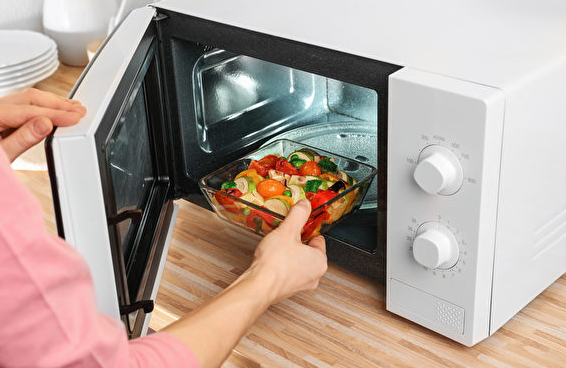
Before talking about materials, it’s important to understand what “microwave-safe” really means.
A microwave does more than just heat up food. Because food heats unevenly, it can create:
- Localized hotspots over 120°C
- Boiling water at 100°C
- Steam pressure
- Sudden temperature changes
So a microwave-safe material must handle:
✔ High heat
✔ Quick temperature change
✔ Hot oil and hot water
✔ Steam pressure
This is why many plastics do not want to make official claims about microwave use—there are risks and legal responsibilities.
2. Tritan – Great Transparency, But Not Designed for Microwaves
Tritan is a very popular plastic. It is known for:
- Crystal-clear look
- Good toughness
- BPA-free
- Dishwasher-safe
Tritan is perfect for water bottles, pitchers, and storage jars.
However, Tritan does not officially claim to be microwave-safe.
Why?
Because Tritan’s heat resistance is around 100–110°C, which is not high enough to fully cover the unpredictable temperature spikes in a microwave. Even though many consumers use Tritan products in the microwave without visible problems, the manufacturer (Eastman) does not guarantee it.
So for Tritan:
👉 Not recommended for microwave
👉 Good for cold and warm foods
👉 Perfect for clear, beautiful products
If your customer wants “crystal-clear” plus “microwave safe,” Tritan is not the right choice.
3. PPSU – The Real Microwave Champion
If a customer truly wants safe microwave use, then PPSU is the best choice.
PPSU’s benefits:
- Heat resistance up to 190–200°C
- Can withstand boiling, steaming, and autoclave sterilization
- Extremely tough and durable
- Safe for repeated high-temperature use
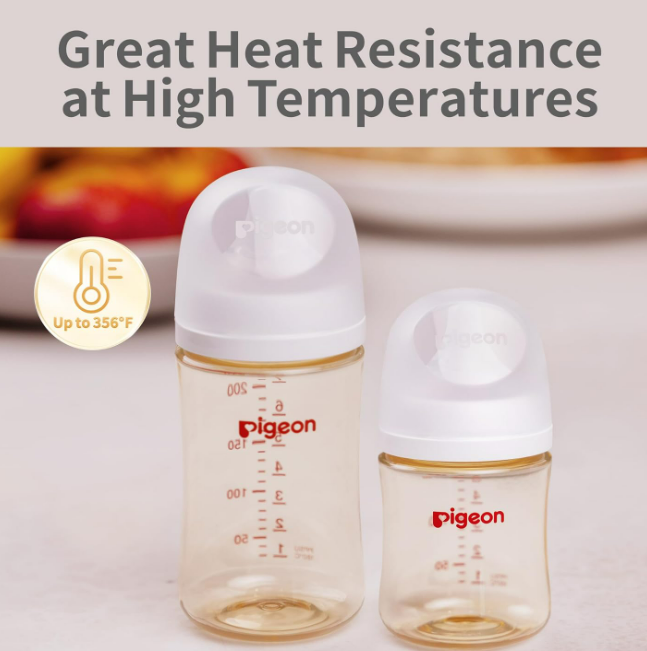
This is why PPSU is used in:
- Baby feeding bottles
- Hospital sterilization trays
- Medical equipment
- High-end food containers
If something can survive 134°C steam sterilization, it can absolutely survive a microwave.
So why doesn’t PPSU datasheets write “microwave-safe”?
- Manufacturers avoid legal wording
- They focus on medical standards, not kitchenware wording
- They expect the final product brand to run microwave tests
But industry experience is very clear:
👉 PPSU is the safest material for microwave use
👉 It is used worldwide in microwaveable baby bottles
The only downside?
PPSU is not crystal clear.
It has a natural yellow-tinted transparency, especially in thicker products.
4. Summary: Which Material Should You Choose?
Here’s a simple table you can even send to your customers:
| Material | Heat Resistance | Transparency | Official Microwave Claim | Real-Life Microwave Safety | Notes |
|---|---|---|---|---|---|
| Tritan | ~100°C | ★★★★★ Crystal clear | ❌ No | ⚠️ Not recommended | Best for clear containers |
| Tritan MX | Slightly higher | ★★★★ Clear | ❌ No | ⚠️ Requires testing | Medical tough version of Tritan |
| PPSU | ~200°C | ★★★ Yellow-clear | ❌ No | ✔✔✔ Very safe | Best for microwave & sterilization |
5. So What Should You Tell Your Customers?
If your customer wants:
“Crystal clear + microwave-safe” → Impossible. No plastic can do both.
Tritan is clear but not microwave-safe.
PPSU is microwave-safe but slightly yellow.
“Safe microwave use” → PPSU
This is the only reliable choice.
“Beautiful transparency” → Tritan
But you must say “microwave not recommended.”
“Medical grade and durable” → Tritan MX
But still needs microwave testing.
7. Final Thoughts
As a salesperson in a kitchenware factory, my job is not only to sell products but also to help customers understand materials. Tritan, Tritan MX, and PPSU all have their advantages, but they are designed for different situations.
Microwave safety is not about appearance or brand name.
It is about temperature, material limits, and responsibility.
I hope this simple guide helps you (and your customers!) make better decisions.
If you need help choosing the right material for a new product, feel free to contact me anytime.