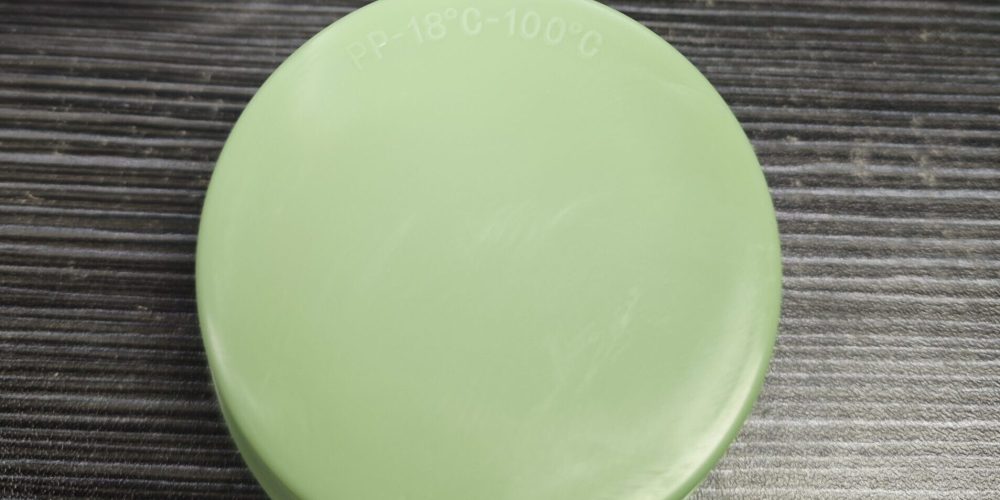
If you work with kitchen products or simply love buying them, you’ve probably seen labels like “FDA approved” or “LFGB compliant.” But what do these really mean? And why do silicone products often have different prices for different standards, while PP (polypropylene) products don’t?
In this blog, we’ll break everything down in a simple, friendly way. Even if you don’t know anything about materials, you’ll be able to understand how these standards work and why they affect pricing.
1. What Are FDA and LFGB Standards?
When kitchenware touches food—like spatulas, cutting boards, or bowls—they must meet safety standards to ensure harmful substances won’t migrate into your food.
FDA (United States)
- FDA stands for the U.S. Food and Drug Administration.
- For kitchen products, the FDA checks whether the material is safe for food contact.
- The rules are clear and widely used across the world.
LFGB (European Union)
- LFGB is Germany’s food safety standard, known for being very strict.
- It focuses heavily on migration tests—checking if any chemicals move from the product into your food.
- If a product passes LFGB, it usually means the material quality is higher.
In short:
- FDA = Good
- LFGB = Even stricter
2. Why Silicone Products Have Two Different Prices (FDA vs LFGB)
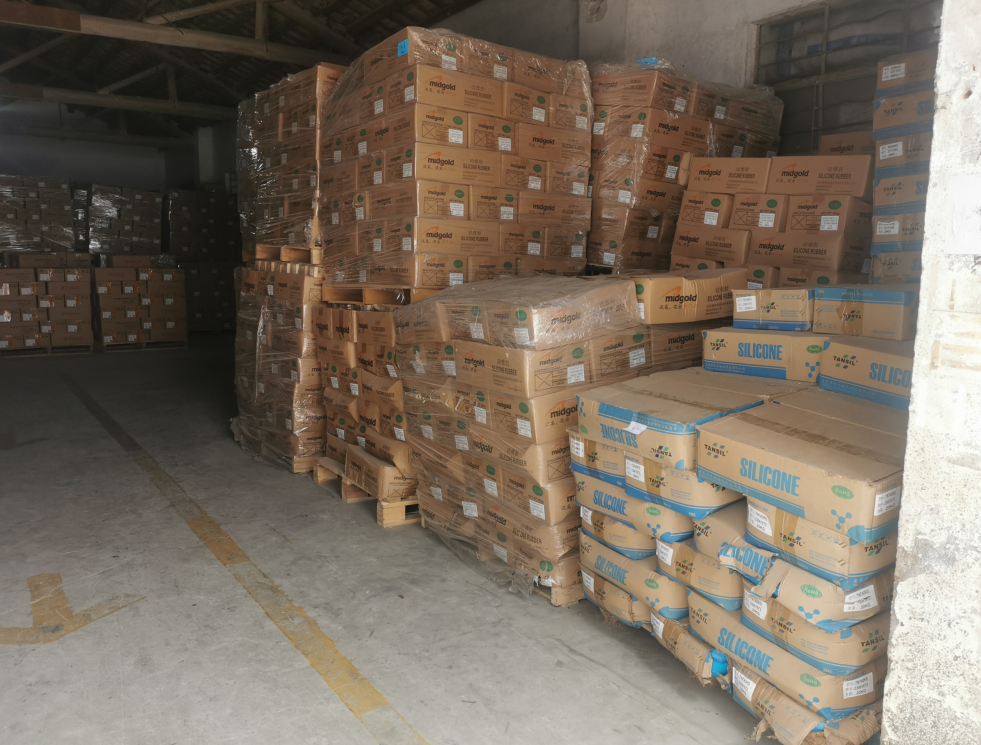
Silicone is a highly adjustable material. Factories mix different ingredients into silicone to create the final product. Because of this, the recipe can change a lot depending on the needs.
Silicone for FDA
- Easier to pass.
- Allows more flexibility in additives.
- Material cost is lower.
Silicone for LFGB
- Needs very clean, high‑purity ingredients.
- Migration limits are much stricter.
- Material cost is significantly higher.
So factories naturally prepare two types of silicone:
- One cheaper (FDA-level)
- One more expensive (LFGB-level)
This is why quotes for silicone spatulas or bakeware often come in two versions.
3. Why PP (Polypropylene) Products Don’t Have Two Prices
This is the part that confuses many people—including salespeople in factories.
Unlike silicone, PP is a standardized industrial material. Big global companies produce PP pellets with extremely stable formulas. These pellets are already designed to meet multiple international food-contact standards.
This means:
- There’s no separate “FDA PP” and “LFGB PP.”
- High-quality PP can naturally pass both FDA and LFGB.
- Factories don’t mix PP formulas themselves like they do with silicone.
In most cases, a factory will buy one grade of food-safe PP that already complies with both standards.
So what happens to pricing?
Because the raw material is the same, the product cost doesn’t change.
- FDA version → same PP
- LFGB version → same PP
The only extra cost is when the customer needs the actual test report, because testing fees are charged by third-party labs—not by the factory.
That’s why the factory quote for PP cutting boards, PP lunch boxes, or PP utensils usually has one single price, whether the customer sells to the U.S. or Europe.
4. Why Your Silicone Quote Varies but Your PP Quote Doesn’t
To summarize in a simple comparison:
| Material | Flexible Formula? | Different Grades? | FDA Price | LFGB Price |
|---|---|---|---|---|
| Silicone | Yes | Yes | ✅ Cheaper | ✅ More expensive |
| PP | No | Not necessary | ✅ Same price | ✅ Same price |
Silicone behaves like cooking: you can adjust the recipe.
PP behaves like factory-made bottled water: the formula is fixed.
5. What Does This Mean for Customers?
If a customer asks:
“Why is my PP product the same price for FDA and LFGB?”
You can confidently explain:
- The PP material itself already meets both standards.
- There’s no difference in raw material cost.
- FDA is easier than LFGB, so if it passes LFGB, it naturally meets FDA.
- Only the testing report costs extra, not the production.
This actually makes PP products more stable and predictable in pricing.
For silicone products, you can offer flexible pricing depending on their market needs.
6. Final Thoughts
Understanding the differences between silicone and PP materials helps both sellers and buyers make smarter decisions. Even though both materials are common in kitchenware, they behave very differently in terms of formulation, testing, and cost.
- Silicone: flexible, multiple grades → different prices.
- PP: standardized, one universal grade → one price.
So next time a customer asks why their silicone spatula has two quotes but their PP cutting board doesn’t—you’ll be able to explain it clearly and professionally.
If you work in kitchenware sales, this knowledge is incredibly helpful for building trust with your clients and positioning yourself as a knowledgeable partner.