(From a silicone and plastic kitchenware factory’s point of view)
When it comes to designing a salad container, one common question we always hear from customers is:
“Why don’t you use PP instead of PC? I want to heat it in the microwave.”
It’s a very good question — and a very practical one. The truth is, both PC (Polycarbonate) and PP (Polypropylene) are safe and popular plastics in kitchenware, but they have very different strengths. Let’s take a closer look.
🧊 1. Transparency and Appearance
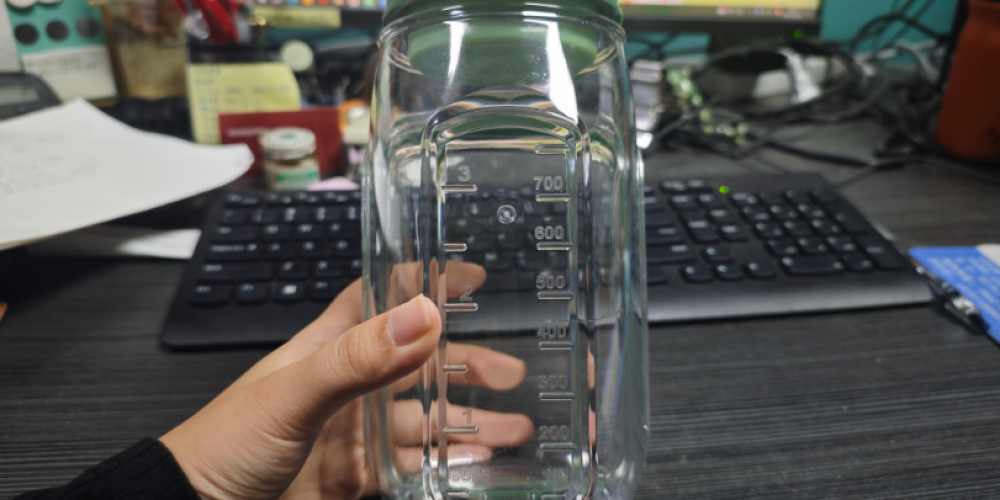
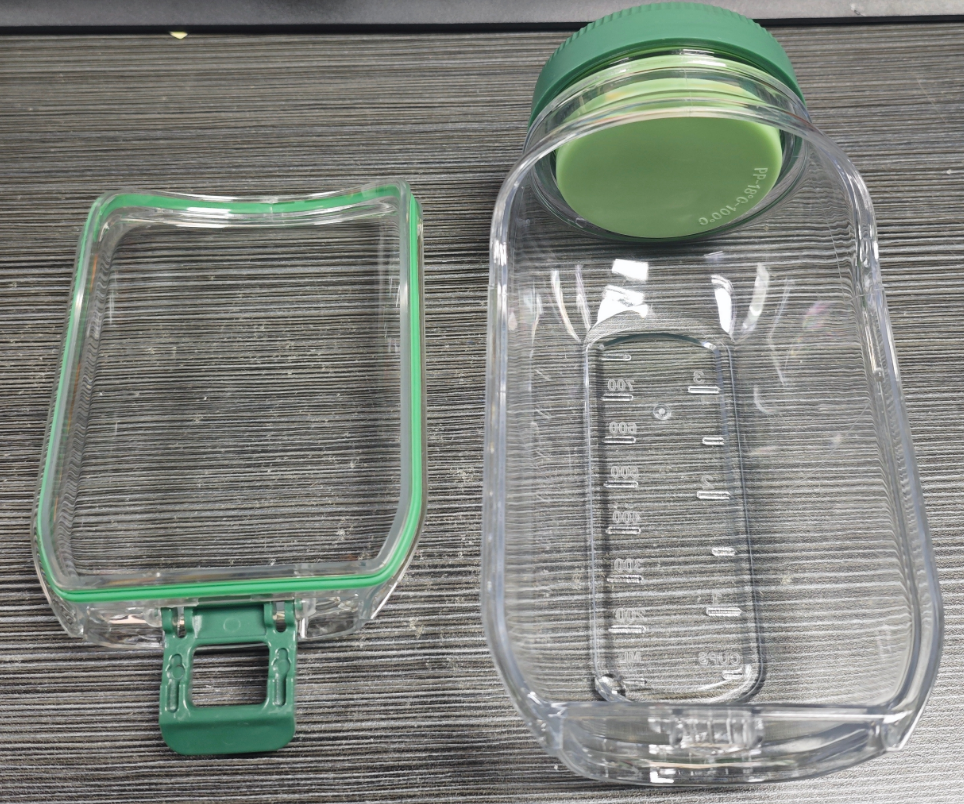
If you want a crystal-clear and glossy look, PC is the winner. It offers excellent transparency, rigidity, and a premium feel. That’s why many salad containers, water bottles, and food jars use PC for the body — it simply looks more elegant and high-end.
PP, on the other hand, can also be made in transparent versions (we call it random copolymer PP), but it’s not perfectly clear. It usually looks a little cloudy or hazy. So, if appearance and display are important, PC performs better.
🔥 2. Microwave Safety
Here’s where the difference really matters.
- PP is microwave-safe. It can usually resist heat up to 100–120°C and is safe for reheating food under normal conditions.
- PC is not recommended for microwave use. Although it can tolerate up to 130°C, heating PC in the microwave may cause BPA (Bisphenol A) to release, especially if the material is old or scratched.
That’s why many countries don’t allow PC food containers or baby bottles to be used in the microwave.
👉 In short:
PP can go in the microwave, PC should not.
💧 3. Dishwasher Use
PC can be washed in a dishwasher, but only on the top rack and under low-temperature settings.
Frequent high-temperature washing or strong detergent may cause discoloration or small cracks over time.
PP is more stable in this aspect, so it’s safer for repeated dishwasher cleaning.
🧠 4. FDA Compliance and BPA Concerns
Many people think PC automatically fails FDA food safety standards — but that’s not true.
PC can still pass FDA 21 CFR 177.1580 if the material is BPA-free and meets all migration test requirements.
However, for products meant for frequent microwave heating, most brands prefer PP or Tritan, since they are BPA-free by nature.
🩵 5. How We Guide Customers to Choose
When clients ask why we use PC instead of PP, we usually explain it this way:
- If your main purpose is microwave heating, PP is the better choice, but it will look a bit cloudy.
- If you care more about clear appearance and strength, PC is the right choice — just mark “Not Microwave Safe” on the packaging.
Many salad users only use the container for cold or room-temperature food, so keeping the PC body is still a great option.
🌱 Final Thoughts
There’s no “one material fits all.”
- PC gives beauty and clarity,
- PP gives safety for microwave use.
As a kitchenware factory with almost 30 years of manufacturing experience, we always discuss with our clients to find the right balance between appearance, safety, and practicality.
Because at the end of the day, a good product is not only about how it looks — but also about how people use it in real life.