Yesterday, Typhoon Koinu made landfall in Yangjiang, the city where I live and work. It was not the first time I had experienced a typhoon, but this one left a particularly deep impression on me. The power of the wind and the sound of it outside my window were enough to keep me on edge for the whole day.
From my apartment on the 19th floor, I could feel the building shaking from side to side. It was not a dramatic swing, but enough to make me nervous. The thought that I was not even at the top of the building made me wonder—what about the people living on the 31st floor? Their experience must have been much scarier. At times, I felt as if the glass windows were vibrating, and I was truly worried something might break.
When morning came and the storm had passed, I stepped outside and saw what the typhoon had done. The streets I usually walk past every day looked completely different. Huge trees that once stood tall and steady had been knocked down. Some were even uprooted, their thick roots sticking up in the air. To see a tree that had taken decades to grow lying helplessly on the ground made me realize just how small human beings are compared to nature’s forces.
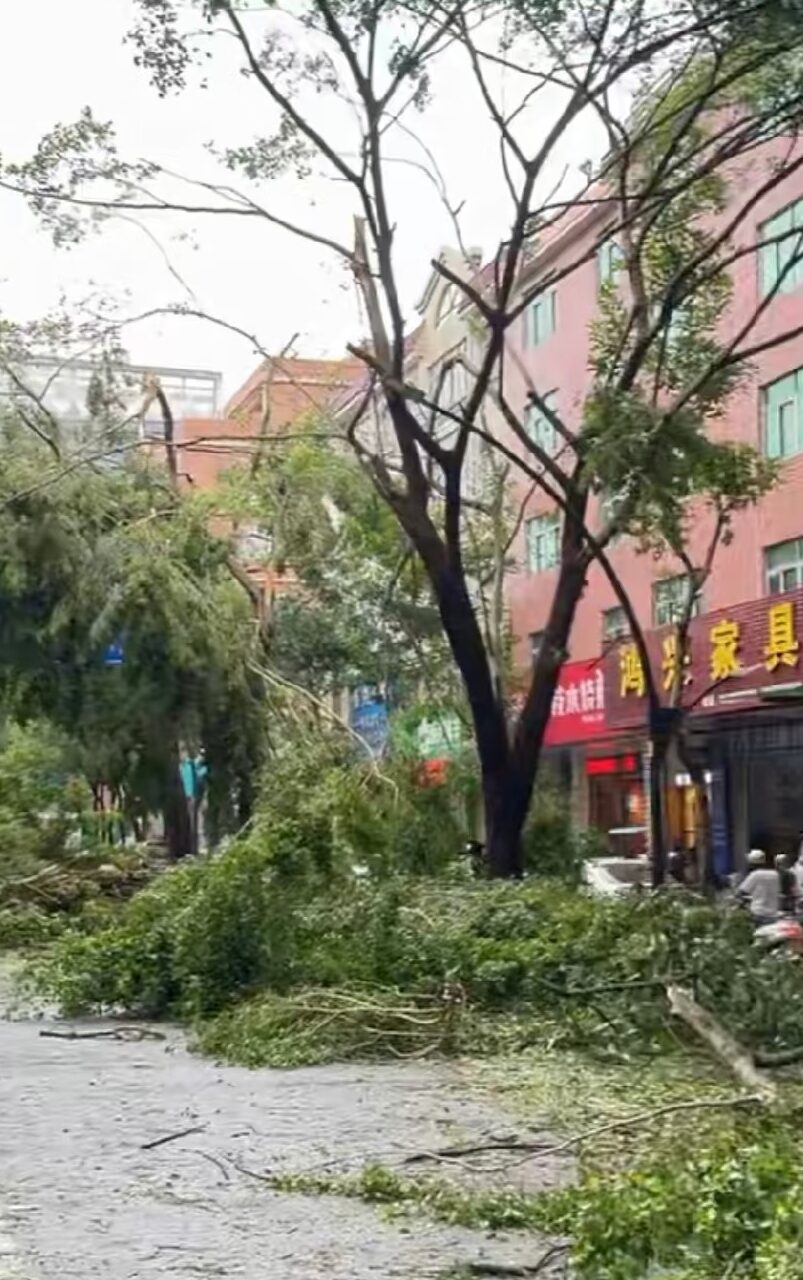
Branches, leaves, and broken twigs were scattered all across the road. Walking to work felt like crossing a battlefield that had just quieted down. Cars had to drive slowly, carefully making their way around the fallen trees. People stood on the sidewalks, staring at the damage, some taking photos, others simply shaking their heads. The atmosphere was a mix of shock and relief—we were shocked by what the typhoon had done, but also relieved that most of us were safe.
At our factory, the story was similar. A few trees inside the yard had been blown down. The stainless steel signboard at the entrance, something I always thought was strong and unmovable, was bent at the waist by the powerful wind. It was a shocking sight because it showed just how fierce the storm had been.
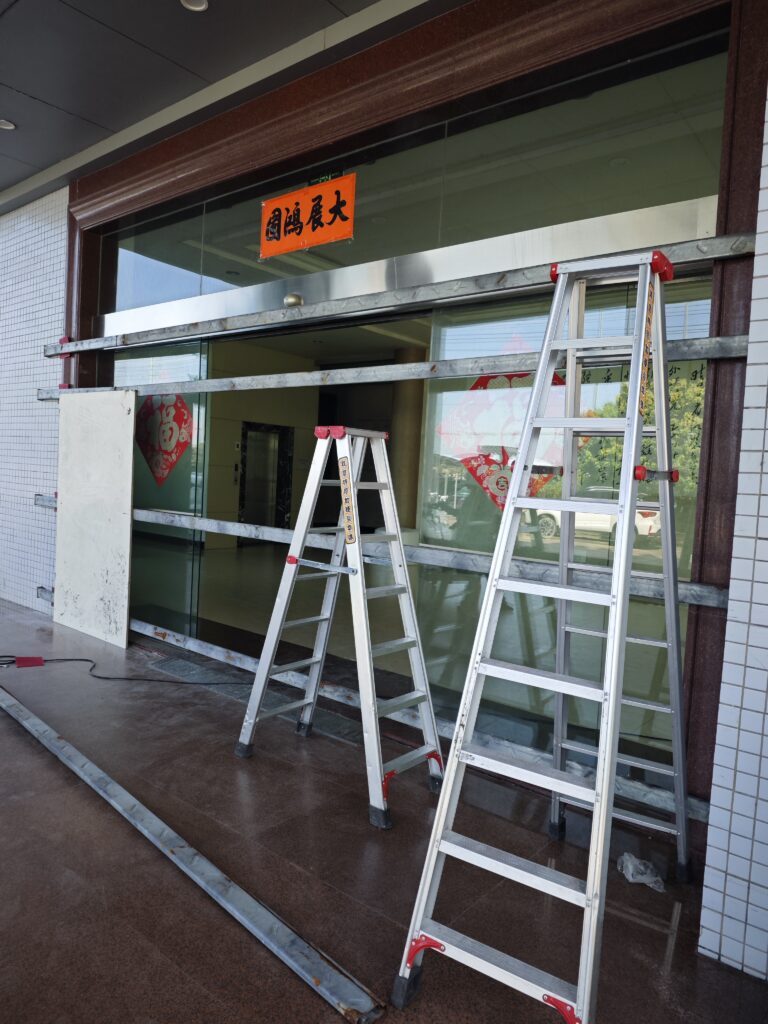
Thankfully, we had prepared in advance. Before the typhoon arrived, our management team decided to close the factory earlier than usual. Workers were told to go home safely before the storm got stronger. We also secured the main gate, sealed the windows, and made sure that nothing fragile was left outside. Because of these steps, the damage was much smaller than it could have been. Seeing that our planning worked gave me a sense of comfort. It reminded me that while we cannot control nature, we can control how we respond to it.
For me, this typhoon was not just about the fear or the damage—it was also about reflection. Living in a coastal city means typhoons are part of our lives. Every summer and autumn, we hear warnings, we prepare, and we hope for the best. But each time, when the storm actually comes, I am reminded again of how vulnerable we are. Buildings that look strong can shake, signboards made of steel can bend, and trees with deep roots can fall. Nothing is truly permanent when nature decides to test us.
At the same time, I also saw something positive. The community spirit in Yangjiang was clear. Neighbors checked on each other. People shared updates online to warn others about which roads were blocked. Early in the morning, city workers and volunteers were already out on the streets, cutting branches and clearing the way so traffic could move again. Even though the storm was frightening, the recovery efforts made me feel a sense of unity.
This experience also reminded me of the importance of preparation—not just for factories or companies, but for individuals as well. Something as simple as securing windows, checking emergency supplies, and arranging schedules in advance can make a big difference. At our factory, we were lucky because we took these steps. In our daily lives, we should also keep this mindset: always stay ready for the unexpected.
Looking back at the images of fallen trees and broken branches, I feel both sad and grateful. Sad because the streets I knew so well now look scarred, and grateful because despite the destruction, most people remained safe. Life will return to normal soon. Trees will be replanted, signboards will be repaired, and the streets will be cleared. But the memory of this storm will stay with me for a long time.
Typhoon Koinu was a reminder that nature is powerful beyond our imagination. It can take down what humans build in a matter of hours. Yet it was also a reminder that resilience and preparation can help us face such challenges. We cannot avoid the storms, but we can choose how to face them—with fear, or with readiness and courage.
As I write this, the sun have not come out yet, but the city is slowly recovering. Workers are busy fixing what was broken. Children are back on the streets, playing around the fallen branches as if they were new toys. Life goes on. And maybe that is the most important lesson: no matter how strong the storm, people always find a way to stand up again.