Recently, I had a very special experience with one of my clients. It reminded me how much we can achieve when we take ownership of a project—even when it’s something completely new to us.
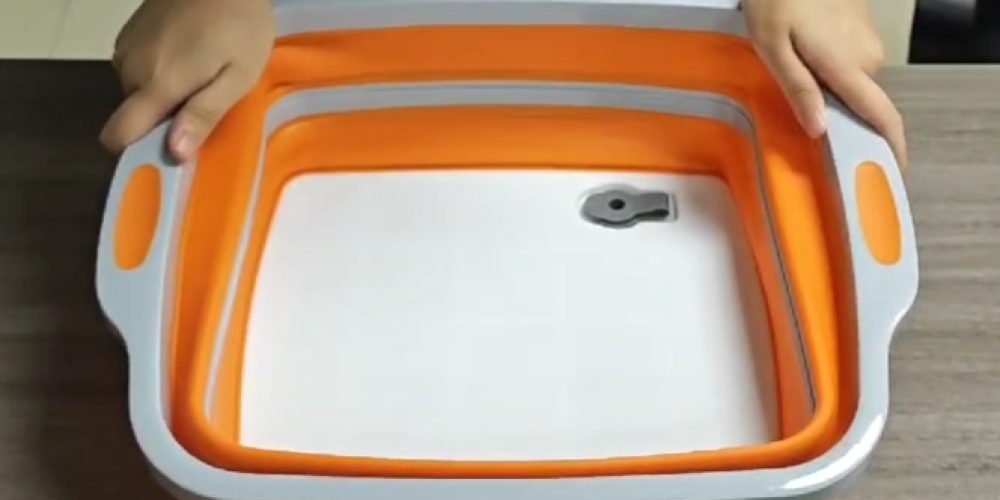
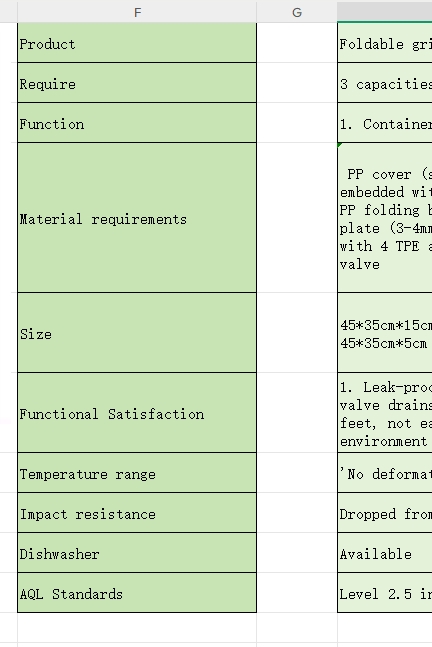
One of our potential clients reached out to us with a request for quotation on a barbecue prep tub. At first, it looked like a simple request, but what surprised me was the professionalism and detail in their product development proposal. They didn’t just send us pictures—they included full design ideas, functional features, and even the material breakdown. It was clear that this client had done their homework and was serious about bringing a strong product to market.
Step 1: Understanding the Proposal
After receiving the proposal, I carefully went through all the details. I summarized the key points into a clear checklist, including the following:
Lid with buckle
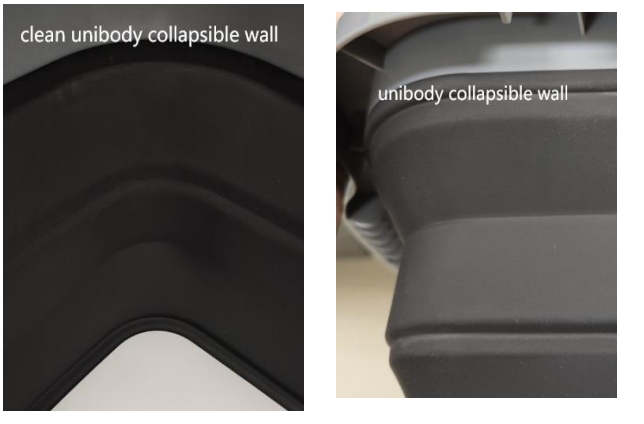
Silicone collapsible wall
PP cutting board cover (without a drain plug)
Heat and cold resistance
Easy to store and clean
Suitable for outdoor barbecue preparation
Even though we had never produced a tub like this before, I wasn’t discouraged. The materials mentioned—PP (polypropylene), TPE, and silicone—are all within our manufacturing experience. That gave me the first spark of confidence.
Step 2: Technical Discussion with Our Engineer
I brought the proposal and my notes to our engineering team. Our engineer took the time to carefully study the structure and design. He said:
“This is a complicated product. The collapsible wall structure, especially if it’s made of silicone, will require a special mold design. But technically, it’s doable.”
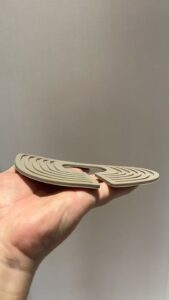
He even showed me a similar sample tub we had received from another client before. That sample also featured a collapsible wall, though it was made with a different material. Still, it helped me understand the construction method better.
Hearing this from our engineer gave me a stronger belief that we can make it happen, even if it’s a first-time project.
Step 3: Doing More Research
At this point, I was curious to know if this product was already on the market. I searched online using keywords like “barbecue prep tub with collapsible wall” and “multifunctional outdoor kitchen tub.”
It turned out that the client’s idea had already been launched in some versions—I found a few products on the market that looked similar. So I decided to buy two different sizes of these tubs for hands-on comparison.
When I received the samples, I did a full product analysis:
The shape and collapsible function
The wall material (one used TPE, one used silicone)
The lid structure
How the cutting board fit and locked onto the tub
I compared these samples to both our existing engineering sample and the client’s original design. There were differences—not just in materials, but also in functionality. Some versions were more suitable for storing food, while others were better for washing or prepping.
Step 4: Making the Comparison Sheet
To make things easier for our client to understand, I created a comparison report:
Sample A (from the market): Features, advantages, limitations
Sample B (another market version): Same analysis
Our existing engineer sample: Summary of construction and material
Client’s proposed design: Highlighted what we can do, and what we suggest modifying
For example, the drain plug feature wasn’t included in the client’s original proposal, and based on our research, we recommended keeping it out to reduce complexity and cost. Also, the collapsible wall’s design may need slight adjustment to meet production feasibility and user convenience.
We also provided a rough cost range, since creating a completely new mold can be a big investment. I clearly marked the areas that would require special tooling or custom development, so the client could understand the pricing logic.
Step 5: Feedback from the Client
I sent this full report to the client and waited anxiously.
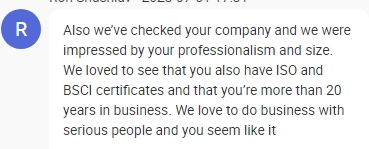
Later that day, I received a message from them:
“We’ve checked your company and were impressed by your professionalism and size. We love to do business with serious people, and you seem like it.”
That sentence really touched me. 🥹
I didn’t expect such a warm response, but it made me feel that all my effort was worthwhile—from the product analysis to the team communication and the customer service.
What I Learned from This Case
This case may seem like just a quotation request, but to me, it was more than that. It was a test of my initiative, learning ability, and problem-solving mindset. Here are a few key takeaways I’d love to share:
1. Don’t be afraid of unfamiliar products
Even if you haven’t made something before, look closely—are the materials familiar? Is the function achievable? If yes, then you may have more capability than you think.
2. Work closely with your technical team
Don’t just guess. Ask your engineer, bring your questions, and let them know you’re serious. When they see your effort, they will support you more, too.
3. Search the market before giving a quotation
Sometimes, a product already exists in the market in different versions. Seeing real samples helps you give a smarter, more realistic suggestion to your client.
4. Always give value, not just a price
Clients appreciate when you don’t just say “yes” or “no.” When you explain the “why,” offer alternatives, and help them avoid mistakes—that’s when they see you as a reliable partner.
5. Confidence comes from action
At the beginning, I wasn’t sure if I could handle it. But after doing research, discussing with the team, and making a detailed report—I felt so proud of what I delivered.
Final Thoughts
This case didn’t end with a final order yet. But to me, the process itself already made me grow.
In today’s competitive kitchenware market, it’s not enough to only offer low prices or fast replies. What really makes you stand out is your thinking ability, your teamwork, and your care for the client’s real needs.
Maybe one day, this barbecue tub will be our next best-selling product. Maybe it won’t. But no matter what, I know I’ve made a good impression, and more importantly—I’ve made myself better through this journey.
Thanks for reading my story. 😊 If you’re also in the kitchenware industry, have you had similar experiences? Let’s connect!