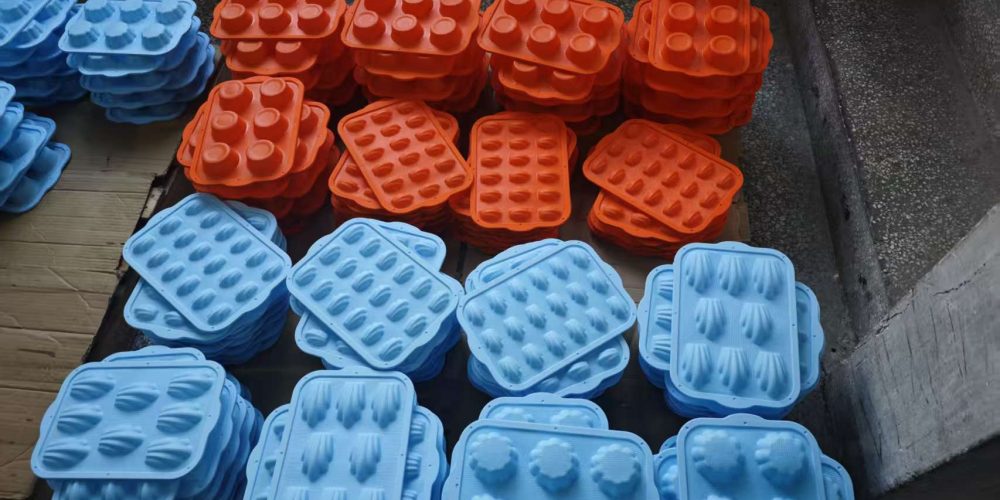
When comparing baking trays in the market, buyers often notice a clear price gap between pure silicone trays and fiberglass-reinforced ones.
The question naturally follows:
Why do fiberglass baking trays cost more?
And more importantly:
When is that extra cost actually worth it?
This article explains the pricing logic from a structural and manufacturing perspective — not from a marketing angle.
1. Fiberglass Adds Material Cost — But That’s Only Part of the Story
At the most basic level, fiberglass baking trays cost more because they include an additional material layer.
Compared to pure silicone trays, fiberglass versions require:
- Fiberglass mesh or fabric
- Additional material preparation
- More complex production steps
However, material cost alone does not fully explain the price difference.
The real cost increase comes from process complexity and quality control.
2. Manufacturing Is More Demanding
Producing a pure silicone tray is relatively straightforward.
Producing a fiberglass-reinforced tray requires:
- Accurate placement of fiberglass mesh
- Stable bonding between silicone and fiberglass
- Precise mold design to control thickness
- Careful curing process to avoid internal stress
Small errors can lead to:
- Uneven stiffness
- Warping
- Delamination
- Reduced durability
As a result, fiberglass trays demand:
- More skilled operators
- More process control
- Higher rejection rates in production
All of these factors increase cost.
3. Mold Design Is More Complex
Fiberglass trays require molds that:
- Maintain uniform material flow
- Prevent fiberglass movement
- Ensure balanced structural support
Designing and refining such molds takes more time and investment.
This upfront tooling complexity is often reflected in product pricing, especially for lower-volume orders.
4. Quality Control Standards Are Higher
Fiberglass trays are typically positioned in mid-to-high market segments.
That means buyers expect:
- Better structural stability
- Long-term deformation resistance
- Consistent performance after repeated use
To meet these expectations, factories often implement:
- Heat cycle testing
- Load testing
- Flatness checks
- Bonding inspections
These additional controls add indirect costs — but they protect long-term performance.
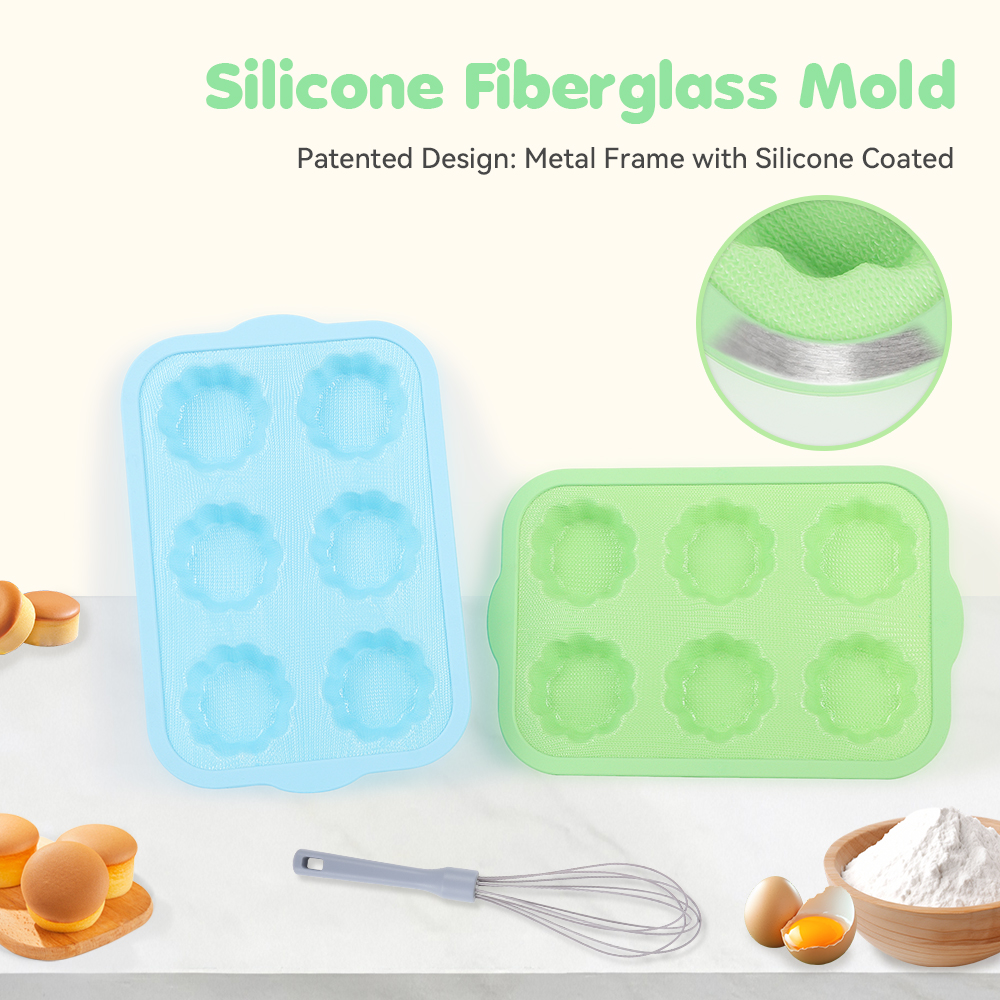
5. Why Cheaper Fiberglass Trays Exist
Some fiberglass trays in the market are only slightly more expensive than pure silicone ones.
This usually happens because:
- Lighter fiberglass mesh is used
- Bonding standards are lower
- Process control is simplified
- Long-term testing is limited
The tray may perform well initially, but durability differences often appear after months of use.
This explains why price gaps exist even among products that look similar.
6. When the Extra Cost Is Worth It
Fiberglass baking trays are worth the extra cost when:
1. The End User Bakes Frequently
Frequent heat cycles and heavy batter expose structural weaknesses. Fiberglass reinforcement helps maintain stability over time.
2. Product Positioning Is Mid-to-High Market
If your brand focuses on durability and user experience, structural reinforcement supports premium pricing.
3. Negative Reviews Matter
If deformation complaints impact brand reputation, fiberglass trays can reduce long-term performance issues.
4. Long-Term Value Is a Selling Point
For brands emphasizing product lifespan rather than lowest price, fiberglass offers real differentiation.
7. When It May Not Be Worth It
Fiberglass trays may not justify their cost when:
- The product is entry-level and price-driven
- Baking frequency is low
- The tray is intended for occasional or seasonal use
- Customers are unlikely to notice structural differences
In such cases, pure silicone may be the more practical business decision.
8. Price Should Match Usage, Not Trend
Fiberglass reinforcement is not a trend upgrade.
It is a structural solution to higher usage demand.
Paying more only makes sense when:
- Usage frequency supports it
- Market positioning allows it
- Customers can perceive the value
Otherwise, additional cost may not translate into higher sales or better margins.
Final Thought
Fiberglass baking trays cost more because they require:
- Extra material
- More complex production
- Tighter quality control
- Better structural design
The higher price reflects engineering and execution — not just marketing.
The real question is not whether fiberglass trays are more expensive.
It is whether your market truly needs the stability they provide.
In baking tools, smart sourcing means matching cost structure with real-world usage — not simply choosing the lowest price or the most advanced design.