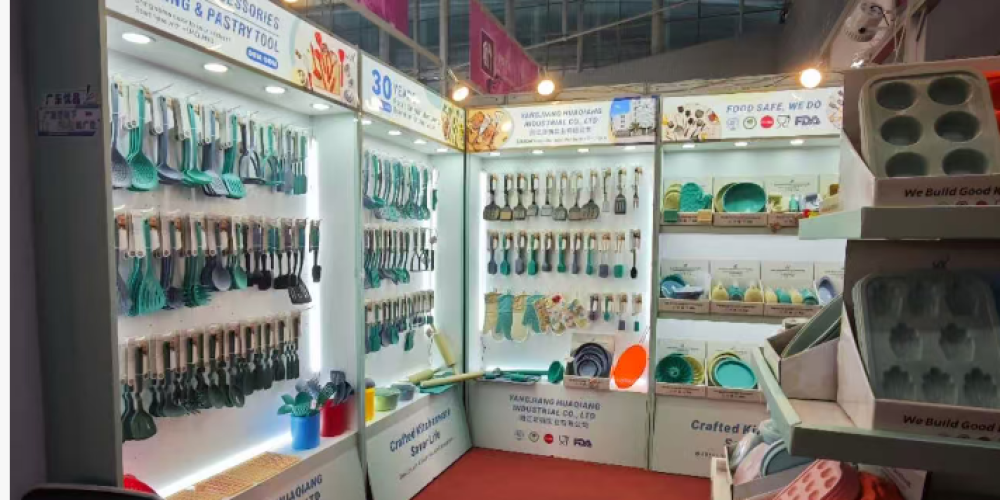
Many people think the real work ends when the Canton Fair is over.
In reality, it often begins the moment the exhibition lights go off and everyone starts packing their booths.
After this Spring Canton Fair, I finally sat down and reviewed everything carefully:
55 business cards and WeChat contacts.
10 customers who took samples.
1 factory visit.
2 repeat orders from existing customers.
On paper, it looked decent.
But strangely, what exhausted me was not the long exhibition days, or repeating product introductions hundreds of times.
It was the moment I returned to the office, opened my follow-up sheet, and stared at dozens of ongoing conversations at once.
Every customer seemed promising.
Yet every order still felt far away.
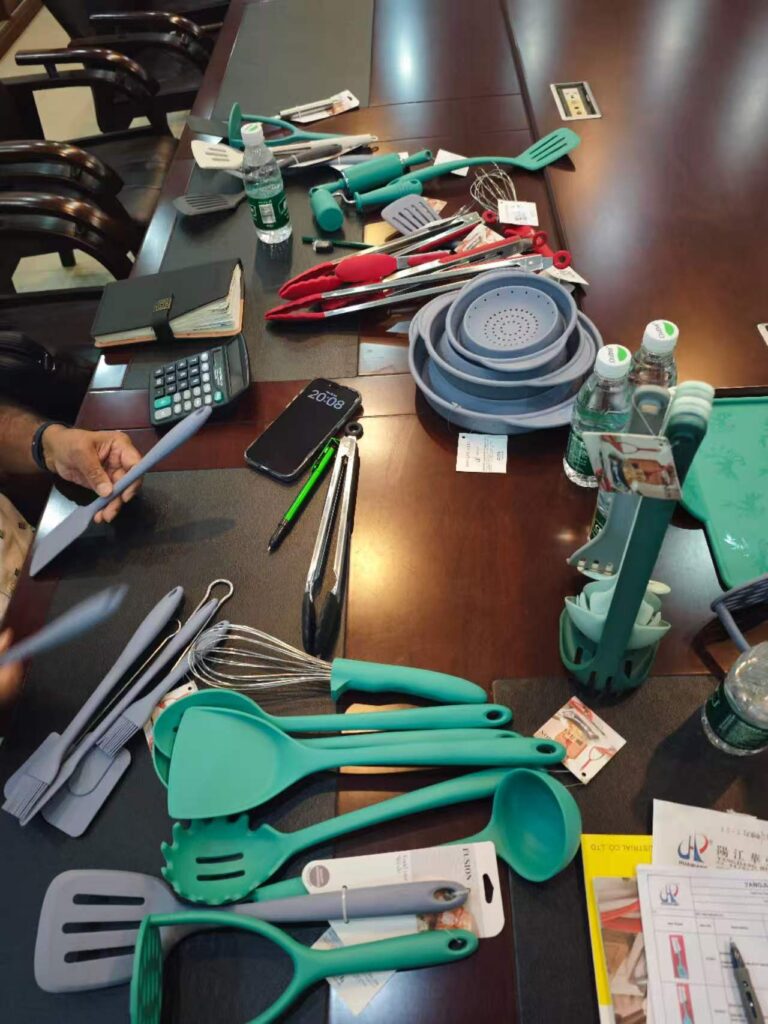
One customer from the UK visited our factory after the fair.
He was clearly an experienced importer — offices, warehouse, showroom, everything well organized. At one point, he even showed me the live warehouse cameras on his phone.
Then he noticed we were packing products for a European brand and casually mentioned:
“Oh, we also supply them sometimes.”
That moment made me realize something interesting:
In foreign trade, many factories and importers are already connected in invisible ways long before they officially work together.
Everyone exists somewhere inside the same supply chain network.
Sometimes you simply have not crossed paths yet.
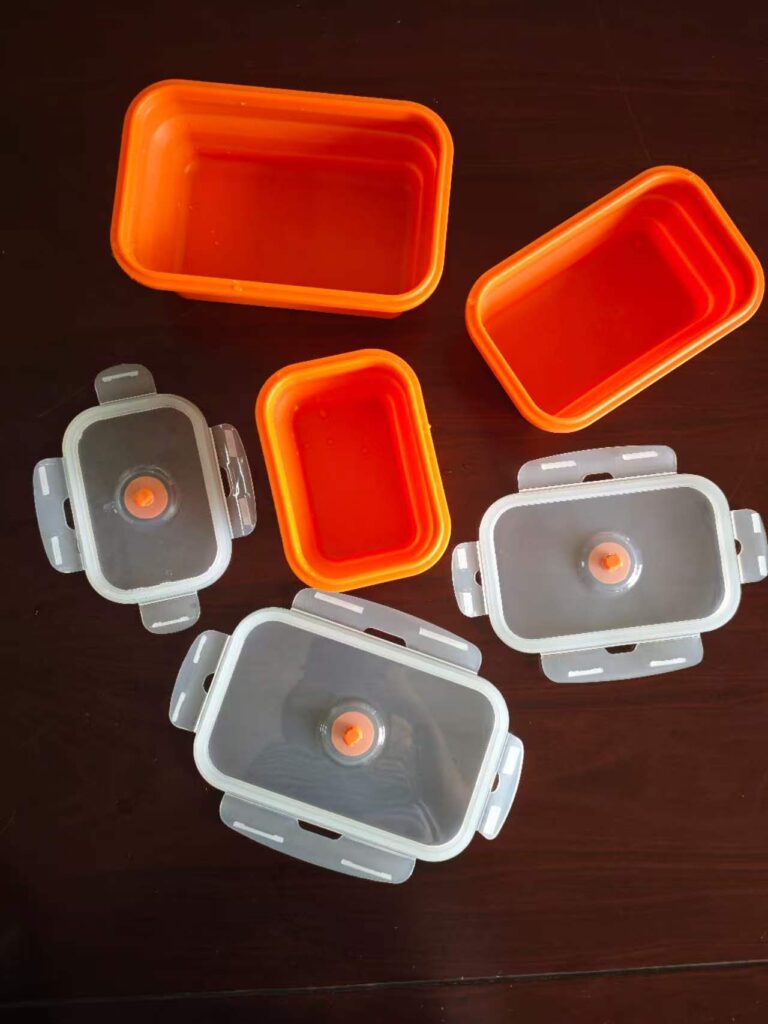
Another customer, a trading company from Shenzhen, approached us for a very practical reason:
Their previous supplier had a complaint issue.
The food container capacity did not match the labeled volume, and their end customer started questioning the product.
So they took our samples back for testing.
For several days, I kept checking my phone subconsciously, hoping for feedback.
Later, I realized something important:
Professional follow-up is not about asking every day:
“Any updates?”
Sometimes customers genuinely need time.
Because they are also under pressure.
They need to retest products, compare suppliers again, and most importantly, rebuild trust with their own customers.
In foreign trade, many opportunities do not come because you speak the best English or send the fastest quotation.
Sometimes they come because when another supplier fails, you are the one standing there steadily.
I used to think the hardest part of foreign trade was developing customers.
Now I think the hardest part is something else:
Managing multiple unfinished projects at the same time.
Some customers are waiting for testing results.
Some are discussing internally.
Some are doing market research.
Some are still deciding whether the category even fits their business.
And this creates a strange kind of pressure for salespeople:
You work every day.
You stay busy every day.
But you still cannot clearly see how far you are from an actual order.
Recently, I finally started organizing customers differently.
Not by country.
Not by order value.
But by project stage.
Some customers need active pushing.
Some customers need patience.
Some customers simply need you to remain professionally present.
Suddenly, everything became much clearer.
And for the first time, I realized:
Mature foreign trade is not about chasing customers endlessly.
It is about understanding:
when to push,
when to wait,
and when to simply stay reliable in the background.
Because many real orders are not “forced” into existence.
They grow slowly through trust, timing, and consistent professional communication.